
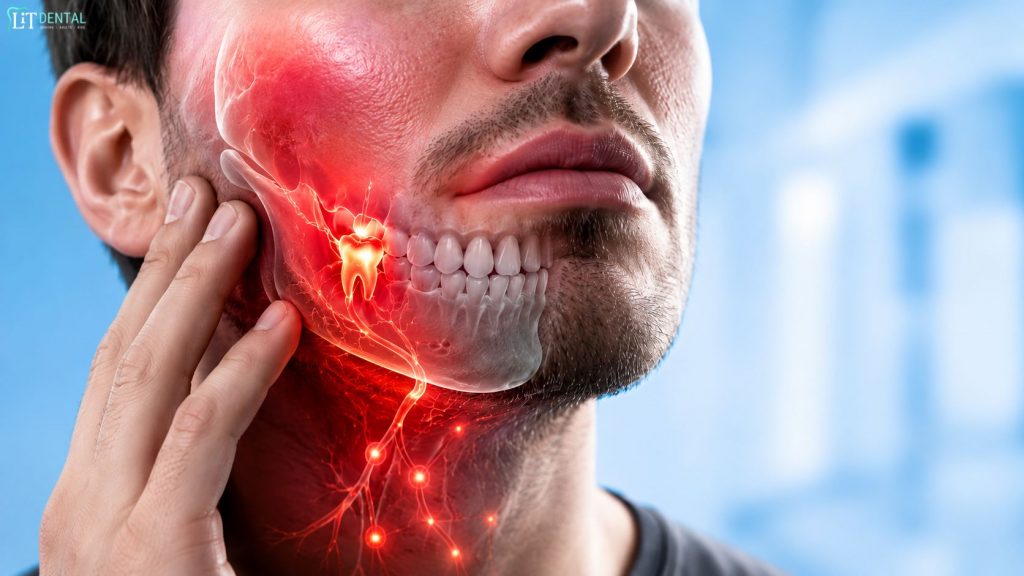
If a tooth infection works its way into the head, it can be a medical emergency and early tooth infection signs or symptoms make the difference between a trip to your dentist and a hospital visit. The infection of a tooth begins in the root or surrounding gum tissue, but if it is not treated, the bacteria that cause it can spread to other parts of the body via the bloodstream. This blog highlights exactly what to look out for, when to act and who is most at risk from a growing dental infection.
What Are the Early Signs That a Tooth Infection May Be Spreading?
The initial symptoms of tooth infection are seen in the mouth itself and around the mouth – and it’s always best to see them at this stage. The infection is now just starting to get serious but is still localized, and requires urgent professional dental care.
Early detection of signs and symptoms before they get out of hand
- One of the initial, frequent early clues of a tooth infection that should not really be ignored is a persistent throbbing toothache that just doesn’t ease up after taking over the counter pain pills.
- If the gum, jaw or cheek becomes swollen, feels hot to the touch, and then starts acting up sort of suddenly, the infection is building pressure under the gum, and it may end up turning into an abscess ,which usually means you need prompt professional drainage and care.
- If you notice a small pimple-like bump on the gum near the sore tooth, it’s often described as a dental fistula, and that usually means pus is present and trying to come out which is, pretty much, a sign the infection has already moved into a more advanced phase.
- If there’s an unpleasant taste or odor hanging around in your mouth for a prolonged period and you cannot link it to any diet change, pus could be leaking from an infected spot, suggesting the bacteria are still lively and the whole situation needs to be evaluated by a professional.
When does the symptoms of a tooth infection indicate the infection has progressed beyond the mouth?
If the signs of infection in the tooth extend beyond the mouth, it is a serious emergency. Can a tooth infection cause fever? Yes and the next indicators are a confirmation that the infection has passed into a more serious stage and needs immediate attention.
Signs that need urgent medical attention.
- Can tooth infection lead to fever? – Fever, chills and general illness Yes. If a fever occurs in conjunction with dental pain, it is a significant indication that the infection has spread into the bloodstream or the surrounding tissue, and triggers a complete immune response throughout the body, necessitating immediate evaluation which should be done the same day.
- Swallowing or breathing problems — Swelling that encroaches on the throat or neck can narrow the airway and cause difficulty with breathing or swallowing. These symptoms occur, it is a medical emergency – call 911 right away if these symptoms occur in addition to any dental pain or jaw swelling.
- Spreading swelling on the neck or the floor of the mouth — If your swelling is spreading into your neck or your floor of the mouth, it may be a life-threatening condition called Ludwig’s angina and requires emergency hospital admission, and cannot be treated with home management or conventional dental treatment.
How Does a Tooth Infection Get to the Other Parts of the Body?
A tooth infection can occur when bacteria get into the surrounding tissue, bone or blood. Blood vessels and pathways of tissue in the jaw and neck area run close to important tissues, and dental infections are one of the few oral diseases that can be systemically threatening if left untreated.
Understanding the Progression of Dental Infections
An untreated abscess may invade adjacent bone and spread to the soft tissues of the neck or floor of the mouth and spread through the bloodstream to the heart, brain, or lungs. Does a tooth infection spread throughout the body? Yes, that is correct — it doesn’t happen overnight, but it is well-known and completely avoidable by seeking timely professional dental treatment.
Which of the following patients is most likely to experience complications from the spread of a tooth infection?
Not everyone is equally vulnerable, but certain health issues can make a dental infection move along faster and in a more intense way than it would in an otherwise healthy person.
Health conditions and risk factors to consider, first of all;
- Diabetics tend to get more serious tooth infections, in part because higher blood sugar dulls the bodys capacity to fight bacteria, so the warning signs can show up sooner, and they can worsen sooner too, compared with people who do not have diabetes.
- Also, people with weakened immune systems like those receiving chemotherapy , cancer therapies , organ transplants, or autoimmune medications often cannot restrain the infection at the original site. Because of that, it may spread into nearby tissue , or even into the bloodstream sooner than usual.
- And finally, spreading dental infections carries a particularly high danger for people who already have heart conditions. If their tooth infection symptoms are not controlled, they can develop a severe complication called bacterial endocarditis, which is basically bacteria moving into the bloodstream and then attaching to the heart valves.
Can a tooth infection get bad enough to cause a fever? Yes and the time between manageable and serious is much more narrow for high-risk individuals. If your tooth hurts, has swelling, or you notice any of the warning signs mentioned in this blog, LiT Dental will evaluate and treat your tooth in case of an emergency. The best and most economical course of action at any time is to seek professional assistance.

Conclusion
If a tooth infection spreads, it is not something that should be left untreated. The early signs of tooth infection and the dental signs of a possible systemic infection all benefit from early professional intervention, rather than delayed intervention. Your oral health and overall health are closely linked and any oral health issues ultimately require dental care. LiT Dental is here to provide you with timely expert evaluation and dental care that is necessary for your situation.
