
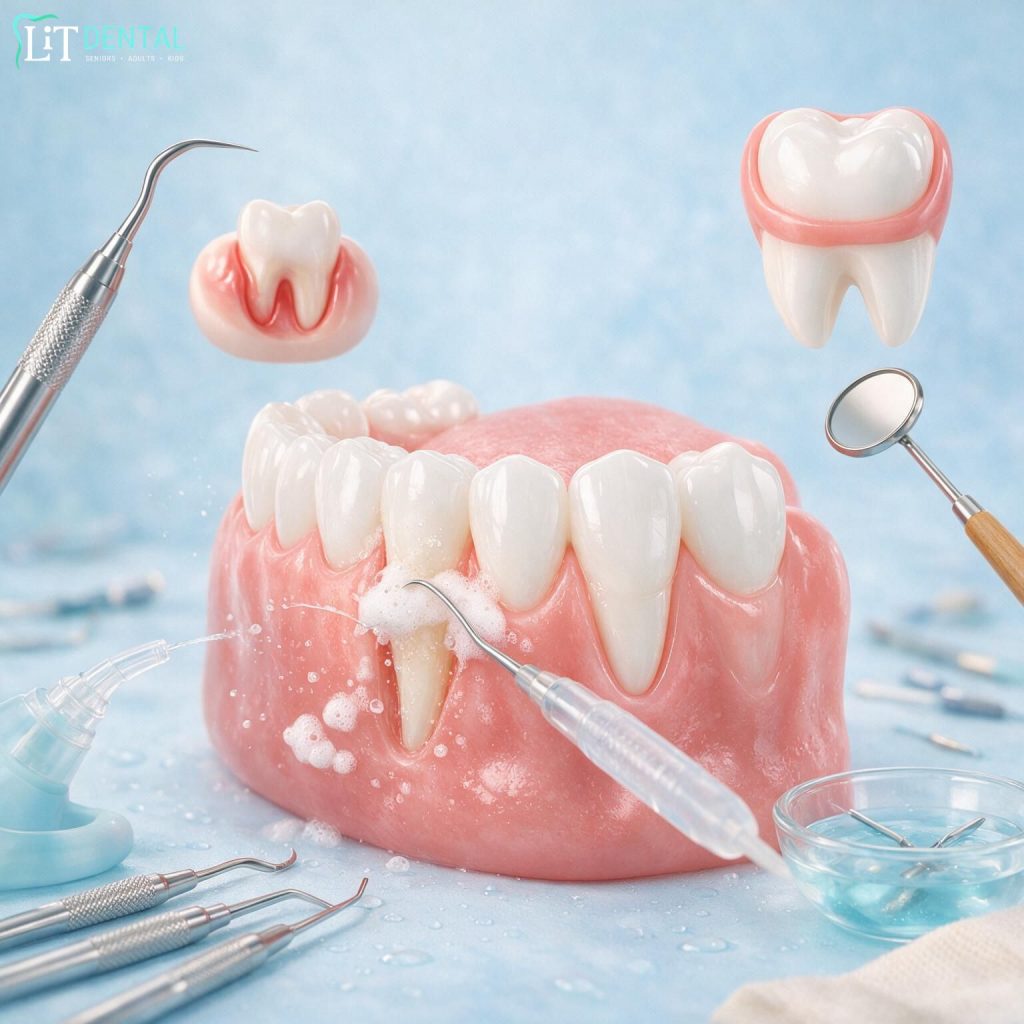
Good gums are vital to the protection of the teeth; however, if the gums begin to recede from the teeth, it is important to treat it early on. When gums recede, teeth can appear longer, make you feel tooth sensitivity, and pose the risk of tooth damage. The bottom line is there are effective methods of gum recession management. Figuring out what might lead to gum recession, noticing the signs of gum recession, and learning how to treat gum recession can help safeguard your smile, even when things feel sort of uncertain in the beginning.
What causes receding gums, and can it be corrected?
Gum recession basically happens when the gum tissue sort of thins back, from the teeth slowly, so then suddenly more of the tooth shows up and in some situations it can even reveal the root itself. Usually it’s related to a few common causes, like gum disease, brushing with too much pressure, lacking a consistent oral hygiene routine, smoking, teeth grinding and yes also genetics. Catching it early is kind of a big deal, because if gum disease is part of the story, early treatment and help with how to stop receding gums can prevent it from turning into something worse later on. If a person only has mild signs, the gums might look nicer once their daily mouth care improves. But the gum tissue that already slipped , or pulled back, doesn’t just reattach itself on its own no matter how careful someone is being. A dentist might still need to step in with professional help to keep your teeth stable and your gums in good health.
Common Risk Factors & Early Warning Signs
- The disease gum and plaque formation.
- Brushing too hard using a hard brush.
- Secondhand smoke or tobacco products
- TMJ problems, tooth grinding or jaw clenching.
- Gums that are red, swollen or bleeding.
- Less sensitivity and longer looking teeth.
Wondering what gum recession looks like? Typically begins with the exposure of the tooth roots.
Which are the best gum recession treatments?
The type of gum recession treatment will vary based on the cause and the degree of gum recession. A deep cleaning by a dentist would be considered for early gum disease as a way to eliminate bacteria and plaque under the gums. This allows the gums to heal and helps to prevent any additional damage. In more severe cases of recession, gum grafting may be suggested to remedy exposed roots and to restore gum health. Often, it’s necessary to treat teeth grinding or to make improvements to brushing, as well.
Deep Cleaning, Gum Grafting, and other treatment options.
- In the case of deep cleaning, bacteria will be removed underneath the gums and the cleaning will be more thorough.
- Gum grafting is used to protect exposed tooth roots
- Special mouthguards to help minimize damage caused by grinding.
- Healthy gums are maintained by effective brushing.Effective brushing helps to preserve healthy gums.
- Regular dental visits provide the monitoring of healing process.
- Individualised care works best in the long-term.
Is there any natural home remedy to treat receding gums?
How to get rid of receding gums without dental intervention is a common question asked by many. The problem can be slowed and gum health can be improved with good home care, but will not regenerate lost gum tissue. Natural care should be used in conjunction with dental care.
What Home Care Can and Cannot Do
Gentle brushing, daily flossing with a good food and occasional antibacterial mouth wash can help to keep gums healthier and decrease plaque. But, home care is no substitute for missing gum tissue or for treating extensive gum recession. Once gums have receded from teeth, professional dental treatment is required.
What are the consequences of not treating receding gums?
When gum recession is left alone it can lead to real problems later on, especially if it’s not properly addressed. The roots become far more delicate and they tend to collect cavities once they are exposed. As this gum condition keeps moving along, the bone that holds your teeth steady can also be harmed or slowly broken down. With more severe progression, teeth might start feeling wobbly, or they can even fall out.
Risks to Teeth, Bone, and Overall Oral Health
- Increased tooth sensitivity
- Greater likelihood of tooth decay.
- Gum disease can get worse.
- Exposed gums and receding gums.
- In severe cases loose teeth are observed.
- Increased risk of tooth decay if not treated
- Early care aids the protection of long-term oral health.
Getting help early is key, it supports your smile and helps keep your gums healthier for longer. If you see signs of recession, LiT Dental can develop a custom treatment plan to prevent further damage and achieve good oral health.

Conclusion
If the gums are receding, it is important not to ignore them as early treatment is the best approach to protect teeth and smile. If you know the causes of receding gums, you will know what signs and symptoms to look for, and you will know how to prevent receding gums before it gets out of hand. It is important to seek gum recession treatment from a professional so there is the best chance to save your gums and prevent further damage. If you’re experiencing signs of gum recession, LiT Dental offers tailored care and options to help restore healthy gums and maintain a strong smile for years to come.
